How to Talk to the Doctor About Your Aging Parent or Spouse
A frequent problem expressed among family caregivers is that their aging loved ones aren’t honest with their doctors. At home, they may gripe about intense pain, struggle to complete activities of daily living (ADLs) independently, or exhibit memory problems that lead to unfair accusations, but the moment they sit down in a doctor’s office, a change occurs. Like an actor on stage, the patient becomes animated and charming and has no complaints to report to their physician. What gives?
A Caregiver’s Experience With “Showtiming”
My mom was a supreme example. She fell in her apartment on a weekly basis and had memory problems. She was taken advantage of by unscrupulous telemarketers and suffered from digestive issues. However, whenever I took her to the doctor, all her hardships disappeared. What I called her “hostess personality” took over as soon as we would arrive at the office. While she may have complained of arthritis pain in the car on the drive there, the minute she had a chance to tell her doctor how terrible she felt, she became perkiness personified.
I’m not alone, either. A while back, a friend of mine took her mother to the doctor because she suspected her mom was in the early stages of Alzheimer’s disease. My friend sat dumbfounded as her mom charmed the socks off the doctor and seemed as quick as she had been 10 years earlier. Her mother denied having any health issues, especially those associated with memory. The doctor was too busy to run additional tests on someone who appeared to be “so sharp for her age,” so he signed off on some prescriptions and sent them on their way. My friend felt like banging her head against the wall.
Why Do Older Adults Mislead Their Physicians?
While the reasons for a senior not being honest with their doctor are often multifaceted and difficult to pinpoint, fear, denial and a phenomenon called “showtiming” are usually to blame.
Fear: One reason our elders put on such a show for medical professionals is because they are afraid. They don’t want to face the reality of a bad check-up or a new diagnosis for many reasons. Hearing that one has heart disease, cancer, Parkinson’s disease or some form of dementia is devastating enough. But one of the most frightening consequences of such a diagnosis is a looming loss of independence. So, they put on their company manners, fail to…
Continue reading on Agingcare for more on the topic of talking with your parents’ doctor:
Helpful Tools:
Wetness indicator and alert to help manage incontinence with dignity. SenecaSense Home: Discreet Support That Restores Comfort and Confidence
Discover the Difference. EGOSAN: The premium incontinence brand caregivers love: They save work! Now Available on Amazon.
Stay connected with Memoryboard: Designed by caregivers. Memoryboard helps families share reminders, messages, updates, and photos on an easy-to-use screen designed for people with dementia. Peace of mind for families, independence for loved ones.
Leslie Kernisan, MD, MPH, has opened up support! View two free caregiving webinars that can help you help your older parents (and yourself).
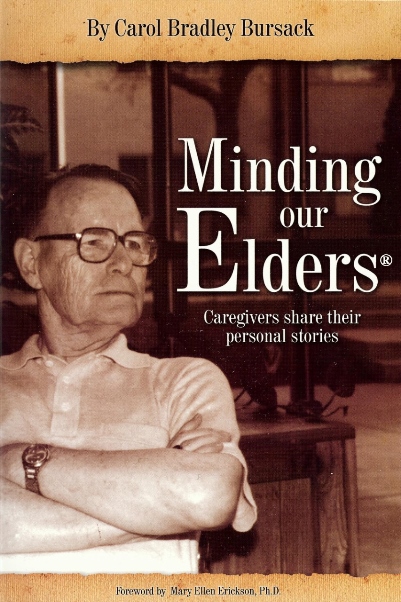
Minding Our Elders: Caregivers Share Their Personal Stories: “…This book is for all of us; let it help you cope! Thank you to the author and everyone she spoke with!” …Dolores