A Self-Help Approach to Coping with Caregiver Stress
Caregiving can bring forth an ever-changing kaleidoscope of emotions. These feelings are often bittersweet, but without the proper preparations and assistance, things can quickly skew towards bitter. Left unchecked, many of these emotions may lead to persistent guilt, depression, anxiety and caregiver burnout.
While counseling or therapy is recommended for people who are struggling with these negative feelings, many wish to handle such challenges on their own. Professional help can be extremely beneficial, but there are steps that caregivers can take by themselves to better handle the emotional challenges of caregiving and get more comfortable with the idea of seeking outside assistance.
Self-Care Is Not Selfish
Former graphic designer Koko Kawasaki, M.A., is no stranger to the importance of respite and self-care for caregivers. The experience of caring for her father, who suffered from multiple health issues, including stroke and vascular dementia, inspired her to earn her master’s degree in gerontology to help other families like hers.
Self-care tends to be one of the biggest challenges for those who are caring for ill and aging loved ones, but Kawasaki agrees that it is a necessity for the wellness of the entire care team. Even though this is a need we all understand the importance of, there is something about caregiving that triggers guilt in anyone who yearns for a moment alone to pursue physical and mental healing.
“I initially did not think of caring for myself because I thought it would take time away from caring for my father,” Kawasaki admits. Determining how much time and effort to devote to oneself is a common dilemma for many family caregivers. Even when they allow themselves a marginal amount of respite, many fear they are being selfish with their already limited resources.
“In time, though,” Kawasaki recalls, “I realized that if I didn’t make self-care a priority, my attitude and my ability to look after my father would both be negatively affected. In hindsight, I believe that making time for myself enhanced the caregiving experience for both of us.” This realization is a fundamental part of the care journey that comes too late for too many. Unfortunately, failing to recognize that your own health matters can have significant and often lasting physical and mental consequences.
There Are Many Pathways to Self-Care
There are many different types of self-care, and this concept means different things to each person. Caring for yourself can be an emotional, social, physical, spiritual, intellectual, sensory or purely pleasurable activity. Some people thrive on physical activities like hiking or running. Some enjoy mentally challenging pursuits that boost their self-confidence, such as:
Continue reading for thoughts on a self-Help path toward better self-care:
Perfect Holiday gifts!
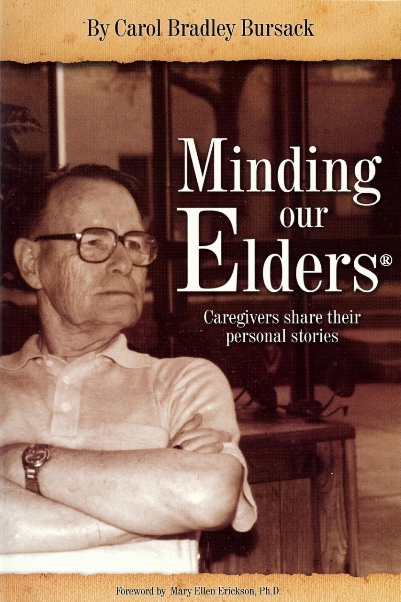
Minding Our Elders: Caregivers Share Their Personal Stories.“I hold onto your book as a life preserver and am reading it slowly on purpose…I don’t want it to end.” …Craig William Dayton, Film Composer
Stay connected with Memoryboard: Designed by caregivers. Memoryboard helps families share reminders, messages, updates, and photos on an easy-to-use screen designed for people with dementia. Peace of mind for families, independence for loved ones.
Leslie Kernisan, MD, MPH, has opened up support! View two free caregiving webinars that can help you help your older parents (and yourself).
Discover the Difference. EGOSAN: The premium incontinence brand caregivers love: They save work! Now Available on Amazon.