In What Way Does Food Affect Incontinence?
Situations such as dementia, heart ailments, and incontinence do not go away whether your loved one is in a care facility or at home with you.
With this in mind, Aeroflow’s Healthcare Director of Urology Mica Phillips has agreed to provide answers for us about how diet can affect a person’s urinary and fecal continence. Aeroflow Healthcare is a durable medical equipment provider.
Egosan: Mica, could you tell us how diet affects incontinence and what foods should be avoided as far as bladder control goes?
Mica Phillips: “Incontinence affects millions of Americans and is very closely linked to diet, since what someone eats and drinks directly affects their bladder. With that said, people may think drinking less water will help them avoid incontinence, but it may actually increase their risk of urinary tract infections (UTIs), which increases the need to urinate. Hydration benefits your bladder health, so keep drinking water.
“Tomatoes, as well as citrus fruits such as oranges and pineapples, are high in acid and are among the most bladder-irritant foods.
“Caffeine is an ingredient that people should avoid if they are concerned about bladder control. Drinks and foods high in caffeine can act as diuretics, which encourage the release of water in urine, resulting in increased urges to urinate. Reducing your caffeine intake can be challenging if you have been drinking coffee for decades, but you do not have to go cold turkey. If you drink multiple cups of coffee per day, you can start small by swapping one of those coffees for an herbal tea.”
Egosan: How about fecal control?
MP: “One of the most obvious pain points when it comes to fecal control is lactose. Food and drinks high in lactose can loosen stool and even bother the colon. This does not mean you need to adopt a lactose intolerant diet, but similar to changing your caffeine intake, you can make small changes like swapping regular milk for almond milk.
“Spicy foods are another source of trouble for the bowels, since they stress the lining of the bladder, often increasing the need to use the bathroom.”
Egosan: What other tips do you have for helping people who live with incontinence issues better control how it affects their lives?
MP: “First and foremost, communication can greatly reduce the impact incontinence has on your life. By communicating with your physician or urologist when you experience symptoms of incontinence, you can get the proper treatment and advice. Communicating with your family or loved ones about incontinence, rather than trying to hide it, can help prevent the isolation and embarrassment that many people feel when experiencing incontinence.
“After seeking medical advice, people can look into incontinence supplies such as adult briefs, pull-ups or pads. These products are easy to use, discreet and go a long way toward helping to manage incontinence. Many people pay for these products out of pocket without realizing that they are often covered by Medicaid.”
Mica’s advice is sound. Some of you already likely know that coffee is a sure route to needing to eliminate often, but tomatoes? Many of us didn’t know that (I didn’t). Our thanks to Mica and Aeroflow for this information.
Read more on Egosancares: https://www.egosancares.com/blogs/all-egosan-products-now-available-on-amazon/in-what-way-does-food-affect-incontinence
Discover the Difference. EGOSAN: The premium incontinence brand caregivers love – Now Available on Amazon.
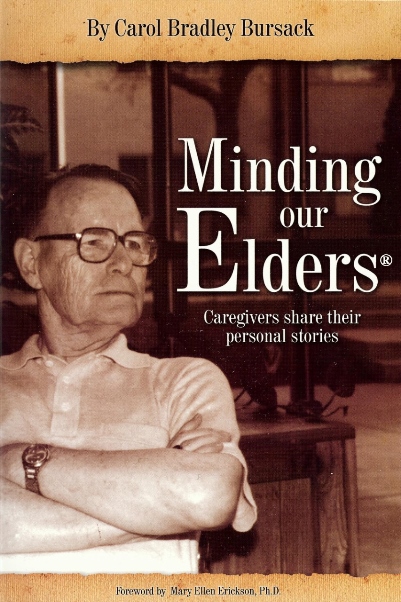
Support a caregiver or jump-start discussion in support groups with real stories – for bulk orders of Minding Our Elders e-mail Carol Minding Our Elders: Caregivers Share Their Personal Stories.
An inspiring read for caregivers! Minding Our Elders is a series of stories about caregiving. But it is much more than that. It’s a book that helps us view aging and community through the lens of someone well versed in eldercare. Author Carol Bradley Bursack has been a caregiver for a neighbor and six elderly members of her family. These experiences made her the perfect person to interview and share the stories of friends and acquaintances. Through crisp writing and a sharp focus, we enter the lives of those struggling to care for loved ones with dementia and other age-related illnesses. As I read Minding Our Elders, I felt myself filling up with both appreciation and admiration for those who adopt the caregiving role. In addition, I was struck with the inherent value Carol sees in our elders. This is a well-written book that will stir your heart! …Ann Campanella