New Caregivers: Tips on Caring for Elderly Parents
I have interacted with countless professional and informal caregivers over the years, and I’ve noticed two prominent patterns that characterized my own experiences and those that others have shared with me. It seems that family caregivers generally earn their job title in one of two ways. The first is what I call “the sneak up” and the second is “the crisis.”
Whether caregiving has slowly crept into your daily life or you’re suddenly facing difficult decisions following a serious health scare, use these pointers as a guide for caring for an elderly parent.
Sneak-Up Mode
My caregiving journey began after an elderly neighbor’s spouse passed away and he needed a bit of assistance and company. This “assistance” slowly grew into a five-year stint of elder care that started in his own home and eventually ended in a skilled nursing facility. After my neighbor passed away, my duties were quickly replaced by the ever-increasing needs of six of my own family members. Before I knew it, running a few errands and stopping by to assist with chores from time to time had taken over my life.
I can clearly remember the day when it finally hit me that I had become a full-time caregiver. If I had had more experienced family caregivers to communicate with, I may have realized earlier on how much this role had evolved and crowded out other aspects of my life. But would this knowledge have helped me understand that I needed to rebalance my priorities and take better care of myself? I don’t know.
Hindsight is interesting, but it doesn’t change the past. My caregiving years occurred at a time when taking on this role wasn’t big news. You just did what you could to help your loved one(s) and figured things out as you went. There wasn’t a great deal of official or casual support available back then, but fortunately that is changing.
The Crisis
My dad was the only person I cared for whose needs didn’t gradually increase over time. He was feeling the effects of age, but he was still relatively independent. That is, until he underwent brain surgery to correct a World War II injury. The procedure was supposed to prevent him from developing dementia, but instead it catapulted him right into it. He woke up in a demented state, suddenly needing immense assistance. Since I was already heavily involved in caregiving for other family members by the time my dad’s needs escalated, the event, emotionally devastating as it was, didn’t change my role and responsibilities all that much. Dad’s new post-operative reality just immersed me deeper in my role.
Many people, however, are just living their lives—working, raising their children and visiting relatively healthy parents from time to time—when, bam! Out of the blue, Mom has a stroke and winds up in the hospital. She survives, but she’s partially paralyzed, will need months of rehabilitation and therapy, and will likely never be the same again. Spouses, adult children and other family members who respond to these health crises essentially hit the graduate level of caregiving before they even have a chance to attempt undergraduate study.
Crisis scenarios happens all the time. A simple fall, heart attack, stroke, broken hip or car accident can have significant, long-lasting changes on a loved one’s life. What many people fail to consider is that this event can have a serious impact on family members’ lives as well.
Getting Started in Your New Role
No matter how you begin your caregiving role, you will have to make changes in your life. Of…
Read more on Agingcare about getting started as a caregiver:
Discover the Difference. EGOSAN: The premium incontinence brand caregivers love – Now Available on Amazon.
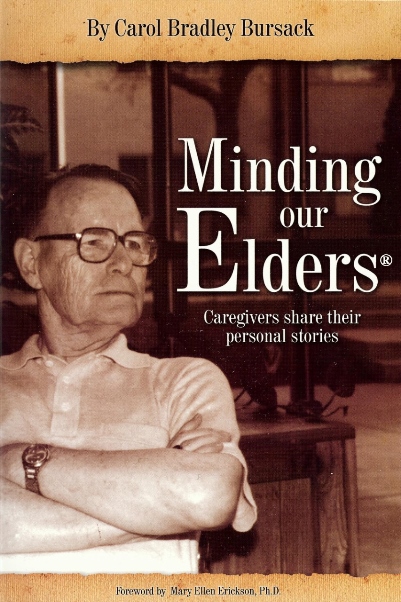
Support a caregiver or jump-start discussion in support groups with real stories – for bulk orders of Minding Our Elders e-mail Carol Minding Our Elders: Caregivers Share Their Personal Stories.
An inspiring read for caregivers! Minding Our Elders is a series of stories about caregiving. But it is much more than that. It’s a book that helps us view aging and community through the lens of someone well versed in eldercare. Author Carol Bradley Bursack has been a caregiver for a neighbor and six elderly members of her family. These experiences made her the perfect person to interview and share the stories of friends and acquaintances. Through crisp writing and a sharp focus, we enter the lives of those struggling to care for loved ones with dementia and other age-related illnesses. As I read Minding Our Elders, I felt myself filling up with both appreciation and admiration for those who adopt the caregiving role. In addition, I was struck with the inherent value Carol sees in our elders. This is a well-written book that will stir your heart! …Ann Campanella