Coping With Dementia Caregiver Burnout
You watch your once mentally sharp loved one decline before your eyes. Their uncontrollable behaviors, mood swings, outbursts, confusion and memory loss are heartbreaking. The worry that a single lapse in supervision may result in your loved one wandering off, falling down or having some other accident is overwhelming.
Caring for a senior with Alzheimer’s disease (AD) or another type of dementia involves significant physical, mental, emotional and financial investments. Family caregivers often struggle to balance dementia care while working, nurturing relationships with their immediate family and friends, prioritizing self-care and coping with feelings of anticipatory grief. For a dementia caregiver, stress levels can soar very quickly. Without strong support systems in place, Alzheimer’s caregiver burnout can set in, jeopardizing the physical and mental health of caregivers and dementia patients alike.
Caregivers’ Stress Levels
Most family caregivers experience an increased amount of stress. However, multiple studies have confirmed that dementia caregivers endure higher levels of caregiver burden than non-dementia caregivers. A fact sheet jointly published by the Alzheimer’s Association and the Alzheimer’s Impact Movement reports that nearly 60 percent of dementia caregivers rate their emotional stress levels as high or very high.
The Caregiving in the U.S. 2015 report published by the AARP Public Policy Institute and the National Alliance for Caregiving (NAC) found that, “Those who provide care to someone with Alzheimer’s, dementia, or other mental confusion are often providing a wide variety of tasks for their care recipient, resulting in some difficulty with these tasks, emotional stress, and worsening health.”
Consistently high stress levels directly contribute to the development of caregiver burnout and negatively impact both physical and mental health. A meta-analysis of several studies on mental health disorders among Alzheimer’s caregivers found that the prevalence of depression was 34 percent and anxiety was 43.6 percent. When it comes to the physical effects of chronic stress, dementia caregivers are at a higher risk for neurological changes in brain structure, inflammation, heart disease, diabetes, cancer and autoimmune syndromes.
How to Beat Caregiver Burnout
A uniquely challenging aspect of being an Alzheimer’s caregiver is the fact that a dementia patient’s needs and behaviors can change dramatically without warning. Dementia caregivers must constantly adjust their care plans, expectations and strategies for providing…
Continue reading on Agingcare for more on dementia care burnout and how to cope:
Discover the Difference. EGOSAN: The premium incontinence brand caregivers love – Now Available on Amazon.
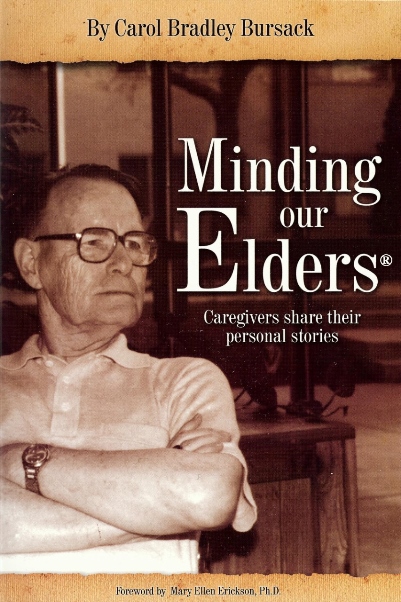
Support a caregiver or jump-start discussion in support groups with real stories – for bulk orders of Minding Our Elders e-mail Carol Minding Our Elders: Caregivers Share Their Personal Stories.
Darlene Fuchs, Author of Get in the Boat: “Your shared stories are deeply moving and relatable, reflecting the varied emotions and challenges of caregiving for aging loved ones. “Minding Our Elders” serves as a poignant and invaluable resource, offering support and connection to caregivers on their journey.”