Reconciling Grief & Relief When the Loved One You Cared for Dies
When my mother died in a local nursing home, my “career” of visiting this exceptional facility nearly every day for almost 15 years ended. Shortly after Mom’s passing, one of her nurses whom I’d become quite close with said to me, “We’ll still be seeing you up here. You won’t be able to quit.”
It turns out she was wrong on that one. However, my case is a little different from most, since I’d spent nearly two decades caring for multiple elders. Also, my role hadn’t totally ended—I still had a family member at home who needed my care. Yet the loss of a loved one brings on many different emotions. Some of these we expect, such as sadness or even anger, while others can take us by surprise and leave us feeling conflicted.
Understanding How Relief and Grief Can Coincide
Many of us start our caregiving journey by assisting an elder in their home or looking after a spouse in our own home. As their care needs increase, we explore sources of respite, such as in-home care and adult day care. Eventually, the move to an assisted living community, a memory care unit or even a nursing home may become necessary for everyone’s well-being. Regardless of where our care recipients reside or what supports and resources we use, we remain family caregivers. Many of us continue to see our loved ones on a regular basis, manage their care and advocate for them.
No matter how difficult or stressful caregiving becomes, we can wind up feeling lost once this job inevitably comes to an end. Our natural grief may even be accompanied by a sense of relief, especially if we cared for loved ones who suffered physically and/or mentally. Not everyone can admit feeling relieved—to themselves or to others—because they are afraid they will appear callous. We encourage the bereaved to accept their losses, but relief certainly doesn’t fit into the oversimplified (yet widely accepted) stages of grieving.
Of course, caregivers who breathe a sigh of relief when an elderly parent dies (or a spouse) are not uncaring or unloving. Quite the opposite in fact. Who among us wants to watch someone they love decline? Witnessing this becomes even more heartbreaking since we strive to bring our care recipients joy and comfort. These responsibilities come with a tremendous amount of pressure. Our family and society as a whole already expect so much…
Helpful Tools:
Wetness indicator and alert to help manage incontinence with dignity. SenecaSense Home: Discreet Support That Restores Comfort and Confidence
Discover the Difference. EGOSAN: The premium incontinence brand caregivers love: They save work! Now Available on Amazon.
Stay connected with Memoryboard: Designed by caregivers. Memoryboard helps families share reminders, messages, updates, and photos on an easy-to-use screen designed for people with dementia. Peace of mind for families, independence for loved ones.
Leslie Kernisan, MD, MPH, has opened up support! View two free caregiving webinars that can help you help your older parents (and yourself).
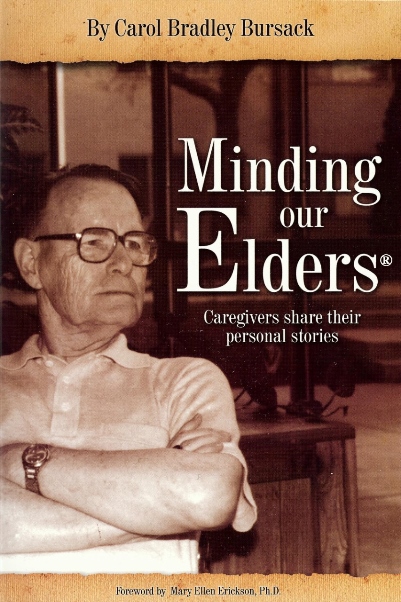
Minding Our Elders: Caregivers Share Their Personal Stories: “…This book is for all of us; let it help you cope! Thank you to the author and everyone she spoke with!” …Dolores