Encouraging Older Adults to Socialize After the Move to Senior Living
Moving to senior living is often a difficult transition for aging loved ones. Even elders who are on board with the decision to relocate to an independent living community, assisted living community, memory care community or skilled nursing facility are likely to encounter some obstacles when trying to become more familiar with their new living environment and neighbors. The whole experience can be overwhelming, and many seniors initially react by withdrawing into their new room or apartment instead of making friends and joining in activities.
This can be frustrating and heartbreaking for family caregivers who are looking on from the outside, wishing their parents would take advantage of all the opportunities a new home has to offer. This transition often takes time, but there are some ways to encourage a loved one to socialize and get involved.
A Caregiver’s Experience Encouraging Parents to Socialize in Senior Living
For most of my parents’ marriage, Mom was a social butterfly, while Dad was quieter and more introverted. He was capable of handling social situations but attended group events mainly to please Mom. Then, overnight, our family’s world turned upside down. Dad needed surgery to correct the effects of an old brain injury he’d incurred in World War II.
The procedure backfired, and he came out of the operating room with full-blown dementia. His current living situation was no longer appropriate, so he moved into a nursing home nearby. Three years later, Mom’s own health problems worsened, and she decided to join Dad at the same facility.
In terms of socialization, my parents’ transitions to nursing home life were the exact opposite of what we expected. In his newly demented state, Dad suddenly loved taking part in social activities when he felt up to it. Mom, however, declined all opportunities to socialize. She watched TV, did crossword puzzles and read magazines by herself in her room, and she wouldn’t join in group activities or interact with the other residents. The only time she left her room was to walk down the hall to visit with my father in his own private room.
Once, when I asked Mom why she remained holed up in her room, her reply was that she didn’t want to socialize with all those “old people.” I was taken aback—Mom had never been a social snob. The only reason I could think of to explain away this behavior was that she was in denial. In her mind, if she didn’t socialize with the other residents, then she wouldn’t have to admit to herself that she was one of “them.”
Techniques for Getting a Parent to Socialize in Senior Living
As time went on, I did make some progress with Mom, mainly by helping her feel useful around the nursing home. Every senior has a different demeanor and level of social interaction that they’re comfortable with. Furthermore, it’s important to understand that a senior’s social life may change over time and become drastically different from the one they led when they were younger. You know them best, so you may have to get creative when encouraging them to “join in.”
If you have parents who are not participating in activities offered by the assisted living facility or nursing home where they live, try using these tips to help them adjust and feel more comfortable interacting with their peers.
First, recognize that it takes time for new residents to break into already existing friend groups. Be patient with your loved one and don’t push too hard. In addition to being “the new kid on the block,” moving into a facility means admitting to themselves that they are facing health issues and becoming increasingly dependent on others. Encourage socialization but do so gently…
Helpful Tools:
Wetness indicator and alert to help manage incontinence with dignity. SenecaSense Home: Discreet Support That Restores Comfort and Confidence
Discover the Difference. EGOSAN: The premium incontinence brand caregivers love: They save work! Now Available on Amazon.
Stay connected with Memoryboard: Designed by caregivers. Memoryboard helps families share reminders, messages, updates, and photos on an easy-to-use screen designed for people with dementia. Peace of mind for families, independence for loved ones.
Leslie Kernisan, MD, MPH, has opened up support! View two free caregiving webinars that can help you help your older parents (and yourself).
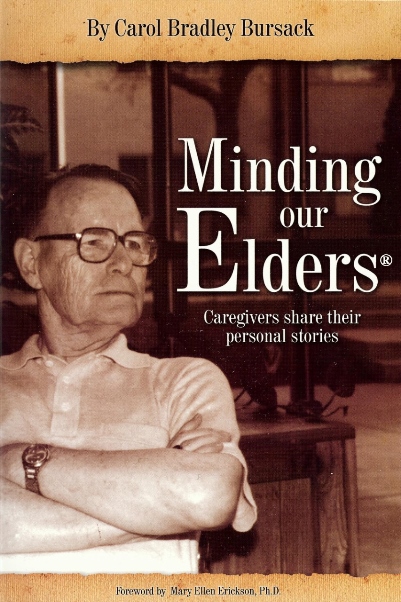
Minding Our Elders: Caregivers Share Their Personal Stories: “…This book is for all of us; let it help you cope! Thank you to the author and everyone she spoke with!” …Dolores