Women and Caregiving: The Hidden Health, Work, and Financial Effects of Unpaid Care in Midlife
While more men are caring for family members than in the past, women are still the first considered in most families when aging parents need assistance. It was a pleasure to be interviewed by A Place for Mom for their excellent article addressing a recent report on how caregiving affects women’s lives. ~Carol
A Place for Mom: Caregiving underpins the U.S. senior care system, and most of that work happens informally, provided by unpaid family members who are filling gaps that formal services and institutions haven’t addressed. National caregiving surveys show that this work isn’t evenly distributed: women account for 61% of unpaid caregivers nationwide. Using proprietary survey data from more than 1,000 family caregivers, this report explores the impact of caregiving on women’s health, family relationships, work, and finances.
Who women caregivers are and when caregiving begins
For most women, the call to care for an elderly family member comes during prime working and parenting years. Nearly 80% of women who are caring for a spouse or older relative are between 40 and 60 years of age. Just under half (46%) of women caregivers are also providing care for a child or grandchild under 18, and 55% are employed.
Carol Bradley Bursack, a caregiving expert and Certified Dementia Support Group Facilitator, sees these patterns repeatedly in her work with family caregivers.
“The burden of most caregiving falls on people who are raising their children, trying to work, and either gradually or suddenly, their parents go from being supportive grandparents to needing help of their own,” she explains…
Helpful Tools:
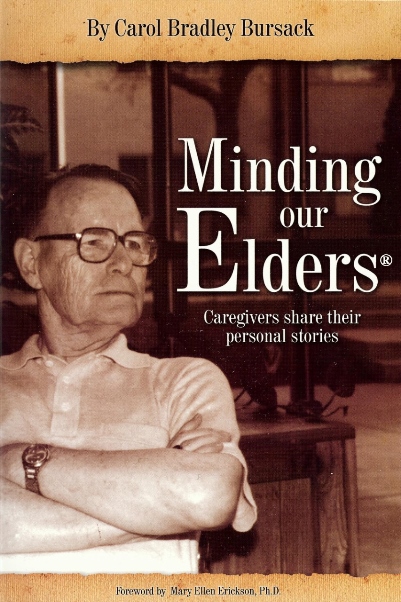
Minding Our Elders: Caregivers Share Their Personal Stories: “…This book is for all of us; let it help you cope! Thank you to the author and everyone she spoke with!” …Dolores
Leslie Kernisan, MD, MPH, has opened up support! View two free caregiving webinars that can help you help your older parents (and yourself).
Stay connected with Memoryboard: Designed by caregivers. Memoryboard helps families share reminders, messages, updates, and photos on an easy-to-use screen designed for people with dementia. Peace of mind for families, independence for loved ones.