Is It Normal to Grieve Before Someone Dies?
Nearly everyone involved in caring for an ill or aging loved one is experiencing some degree of grief. However, we don’t usually identify the complex emotions we’re experiencing as such. When you have a parent or spouse who used to be strong and capable but begins to ask for a little assistance, it’s no big deal, right? You’re happy to help.
But deep down, there’s a knot in our hearts. We’re grieving various kinds of loss, including the loss of function that comes with advancing age or a chronic medical condition. Generally, these changes are subtle, and the grief surrounding them is sneaky.
My Experience with Grieving Before Death
I remember watching my parents age in the normal fashion. I’d occasionally look at them and be startled by the realization that they were getting older, but that was all I acknowledged. I never consciously dwelled on the fact that they would continue to decline, and eventually I would lose them. I didn’t want to. These things did, however, linger in the very back of my mind.
Then one day, my dad underwent brain surgery to correct an old injury he sustained in World War II. It was made clear to us that without this operation, he would eventually suffer from severe confusion. Unfortunately, though, the surgery was unsuccessful. Instead of preventing this fate, he came out of the operating room with full-blown dementia. Our family was suddenly experiencing one of those tragic things that only ever happens to “other people.”
There was no time to fully contemplate the far-reaching implications of Dad’s abrupt change in health. Hard decisions had to be made, and there was so much to be done that we couldn’t have anticipated. Where should he live now? What kind of immediate care does he need, and how will his needs change down the road? What is best for Dad? What is best for Mom?
I became the primary caregiver, immersing myself in the task of making Dad’s existence worthwhile. Whatever he imagined was happening, I did my best to make it so. When he was waiting for his medical degree to arrive in the mail, I made sure one did. (My homemade version looked pretty good hanging on the wall of his room at the nursing home, too.) I became his office manager and his music director. Whatever he needed, I did everything humanly possible to provide it or become it.
At that time, I had several other elders to care for as well as a son with chronic health problems. I didn’t have the time or energy to think of myself very often. Now, I look back and see that I didn’t do myself any favors. If I had a good friend going through what I experienced, I would offer them all the help I could. I would recognize that they were grieving the loss of the father they’d known their whole life. I would press them to do some things to…
Helpful Tools:
Stay connected with Memoryboard: Designed by caregivers. Memoryboard helps families share reminders, messages, updates, and photos on an easy-to-use screen designed for people with dementia. Peace of mind for families, independence for loved ones.
Leslie Kernisan, MD, MPH, has opened up support! View two free caregiving webinars that can help you help your older parents (and yourself).
Discover the Difference. EGOSAN: The premium incontinence brand caregivers love: They save work! Now Available on Amazon.
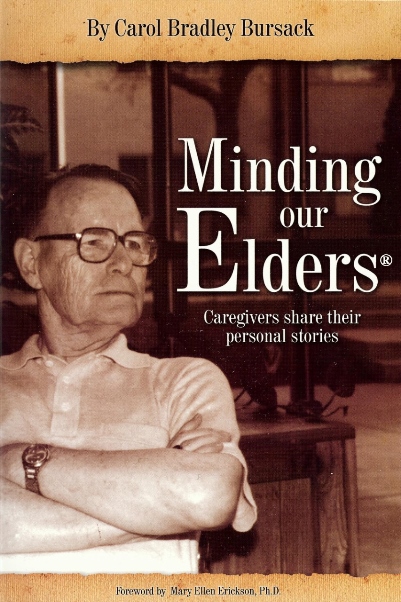
Minding Our Elders: Caregivers Share Their Personal Stories: “…This book is for all of us; let it help you cope! Thank you to the author and everyone she spoke with!” …Dolores
Wetness indicator and alert to help manage incontinence with dignity. SenecaSense Home: Discreet Support That Restores Comfort and Confidence