8 Truths of Dementia Caregiving
As we travel our own unique journeys, most of us find that certain phrases or concepts take on the status of truth in our worldview. Our personal principles may not be identical to those of others, but we know what is true for us.
Below, I’ve shared a few of my own truths that I have adopted throughout my years of caregiving experience. Some are specific to dementia caregivers, but most are also applicable to other elder care scenarios.
My Principles of Dementia Caregiving
Learn about the kind of dementia your loved one has. The Alzheimer’s Association defines dementia as “an overall term for diseases and conditions characterized by a decline in memory, language, problem-solving, and other thinking skills that affect a person’s ability to perform everyday activities.” While Alzheimer’s disease is the most well-known type of dementia, there are many others. Vascular dementia, Lewy body dementia (LBD), Frontotemporal dementia (FTD), Parkinson’s disease with dementia, and mixed dementia are some of the most prevalent kinds, and each is characterized by a unique set of symptoms, diagnostic criteria, and changes in the brain. For this reason, it’s important that the physician treating your loved one (often a neurologist) is qualified to make a diagnosis, monitor their progression, and recommend strategies for managing symptoms. Learning about the type of dementia that your care receiver has (as well as their other health issues) will help you better understand their behavior and provide more compassionate care.
Be as flexible as possible.
Dementia patients’ moods, behaviors, and abilities often change not only from day to day, but also from moment to moment. If your loved one is having a bad day, don’t take it personally. Do what you can to keep them safe, healthy, and content while hoping that tomorrow will be better. Just accept that there will be ups and downs throughout your journey. Paying attention to patterns in their behavior can help you avoid situations that trigger agitation or confusion and devise a daily routine that works well for both of you. However, no strategy or solution is totally foolproof in dementia care. This is why flexibility is key. On particularly frustrating days, remember that your loved one doesn’t have full control over their actions because their brain is broken. Try to focus on the important things that are in your control instead of letting small disruptions become larger than they really are.
Accept that others will offer advice.
People with no understanding of your loved one’s health or what caregiving entails will be more than happy to tell you how you should handle these things. Since they haven’t been in your shoes, they can only speculate about how they would handle the challenges you’re facing. Take a deep breath and smile when you receive unsolicited advice. Then do what you feel is right for you and your care recipient. If you feel you need some insight on caregiving, find someone who has walked this path and ask for their perspective. Both in-person and online dementia support groups are excellent sources of tips and support.
Detachment is vital for your mental health.
We need to detach from our care receivers enough to preserve our own sense of identity. This allows us to equate our role as a caregiver to a small (yet important) part of our lifetime experience rather than the defining part of who we are and what we do. If you have a controlling, cranky elder whom you cannot please, you mustn’t let…
Continue reading on Agingcare for more about the essential truths of caregiving:
Helpful Tools:
Stay connected with Memoryboard: Designed by caregivers. Memoryboard helps families share reminders, messages, updates, and photos on an easy-to-use screen designed for people with dementia. Peace of mind for families, independence for loved ones.
Leslie Kernisan, MD, MPH, has opened up support! View two free caregiving webinars that can help you help your older parents (and yourself).
Discover the Difference. EGOSAN: The premium incontinence brand caregivers love: They save work! Now Available on Amazon.
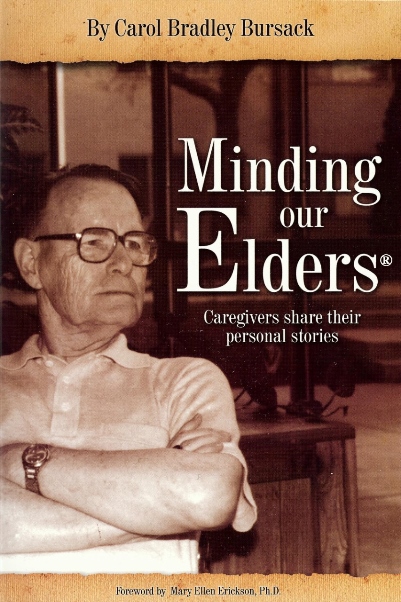
Minding Our Elders: Caregivers Share Their Personal Stories: “…This book is for all of us; let it help you cope! Thank you to the author and everyone she spoke with!” …Dolores