The Sacrifices of Caregiving Stay with Us Long After Our Service Ends
One question that is often asked on the AgingCare.com Caregiver Forum is, “How do I deal with the reality of leaving behind the life I had to become the primary caregiver for my aging loved one?” The plain truth is that assuming the responsibility of caring for another person dramatically alters one’s life. This change can happen abruptly, or it can subtly creep in over time. Either way, most caregivers are eventually struck by the realization that their present situation is nothing like the past and nowhere near what they had envisioned for the future. So, how do we cope?
It may sound selfish to some, but for those who dove into caregiving with full hearts and no planning, then ended up in a months- or even years-long commitment, this is a perfectly rational question. People put their lives on hold to care for those they love—an admirable gesture. But when “on hold” becomes the new norm, a mental adjustment must be made. This usually includes acknowledging and dealing with difficult emotions like resentment.
Adjusting to the New Normal
Most caregivers take on this new role out of love and with good intentions. They rarely stop to think, “Hmm, this could go on for years… I’d better take a step back and make some plans first.” We don’t pause to think about what we’re getting into or weigh our options. We don’t hash out whether we should keep working full-time or move to part-time, or if we’ll have to wind up quitting altogether. We don’t immediately ponder the impact that this new role will have on our children, our spouse, our bottom line, or our own happiness.
We may have reservations, but still rush in simply because we know we’re needed. It’s up to us to help, so we do what we must in the moment. But those weeks, months, and even years of just squeaking by can have lasting consequences on our relationships, savings, career, retirement, and physical and mental health. No matter what age you are when you begin caregiving, this role is going to change your life as you’ve known it and the plans you had for the future.
Handling Resentment Over Making Sacrifices for Someone Else’s Care
Most caregivers have some idea of how they intended to spend their lives. But thanks to medical advancements, aging parents are living longer than ever despite serious health conditions, such as dementia, Parkinson’s disease, chronic obstructive pulmonary disease (COPD), and heart failure. Their care falls to loved ones whose plans and expectations are upended. Resentment isn’t a pretty emotion, but it is nigh impossible to avoid as a caregiver. Furthermore, admitting those feelings to others will not…
Helpful Tools:
Stay connected with Memoryboard: Designed by caregivers. Memoryboard helps families share reminders, messages, updates, and photos on an easy-to-use screen designed for people with dementia. Peace of mind for families, independence for loved ones.
Wetness indicator and alert to help manage incontinence with dignity. SenecaSense Home: Discreet Support That Restores Comfort and Confidence
Leslie Kernisan, MD, MPH, has opened up support! View two free caregiving webinars that can help you help your older parents (and yourself).
Discover the Difference. EGOSAN: The premium incontinence brand caregivers love: They save work! Now Available on Amazon.
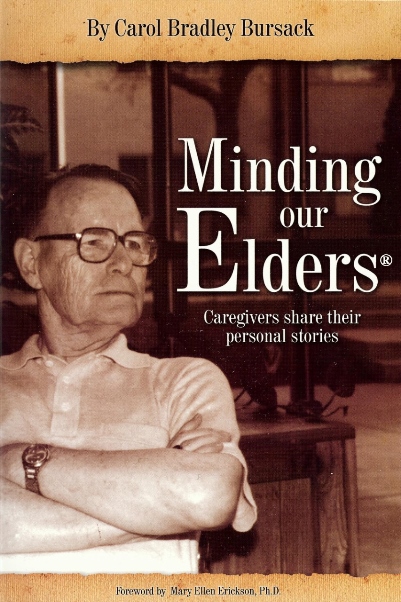
Minding Our Elders: Caregivers Share Their Personal Stories: “…This book is for all of us; let it help you cope! Thank you to the author and everyone she spoke with!” …Dolores