What to Look for When Visiting Someone Who Lives in Senior Housing
So, you and your loved one have taken the plunge. You’ve put in the time and effort to research senior housing options, take tours and compare your thoughts. The big move is finally behind you both. You might think the hard work is over, but not so fast. Caregiving doesn’t end once a senior has transitioned to a long-term care facility. Now it’s up to you to be their advocate, visit regularly and follow up to determine if this particular senior living facility lives up to your expectations.
You had an idea of what to look for in senior housing when you started this process, and most of those things still apply. However, now that your loved one resides there, your exposure to the community and staff isn’t as limited as it was when you had to go on carefully guided tours as prospective clients. It’s important to continue monitoring a loved one’s care after the move to ensure they’re comfortable, content and well cared for.
A Caregiver’s Tip for Gauging Care Quality in Senior Living
Over the course of two decades, I visited loved ones in senior housing nearly every day. While my visits were focused on spending time with my elders and attending to their needs, it was natural for me to assess how well the nursing home was functioning and whether the staff was meeting my elders’ immediate needs.
We all use slightly different criteria when we evaluate an elder care provider’s appearance and performance. For senior housing, my personal top priority happens to be assessing what I would call the atmosphere. The atmosphere I’m referring to has little to do with decor, although clean, pleasant surroundings are desirable in a senior living setting. I’m more interested in getting a feel for the overall vibe of the facility.
Have you ever entered someone’s home and felt good things about it, even if it’s cluttered or decorated in a way that doesn’t jive with your personal tastes? In some cases, a home can have an aura of happiness or lightness about it and we feel comfortable there. Conversely, other homes might come across as too rigid or formal, creating a feeling that the air inside is heavy and unwelcoming. Our reactions to our surroundings are often a product of the appearance of the environment itself combined with the demeanor of the people in the space.
The same can be said for senior housing. By definition, long-term care facilities like independent living communities, assisted living facilities, memory care units and skilled nursing facilities handle illnesses, disabilities and even deaths on a fairly regular basis. However, the atmosphere in these communities should be genuinely pleasant and light. Much of this atmosphere depends upon the way staff members interact with their residents, with visiting family members and with each other. Overall employee satisfaction has a palpable influence on these settings as well.
I’m not suggesting that every moment of every day at a senior living setting will be filled with chipper residents and employees, peace, and joy. However, if you visit often at different times of the day, you’ll get realistic glimpses of staff members’ attitudes and how they handle routine tasks, extra busy times, and emergency situations. You’ll be able to see the staff at their best and their worst and make an accurate assessment of the facility your aging loved one is living in. If you feel positive about the atmosphere and the staff, it’s likely that your loved one lives in a facility where they are receiving quality hands-on care and personal interaction.
Helpful Tools:
Wetness indicator and alert to help manage incontinence with dignity. SenecaSense Home: Discreet Support That Restores Comfort and Confidence
Discover the Difference. EGOSAN: The premium incontinence brand caregivers love: They save work! Now Available on Amazon.
Stay connected with Memoryboard: Designed by caregivers. Memoryboard helps families share reminders, messages, updates, and photos on an easy-to-use screen designed for people with dementia. Peace of mind for families, independence for loved ones.
Leslie Kernisan, MD, MPH, has opened up support! View two free caregiving webinars that can help you help your older parents (and yourself).
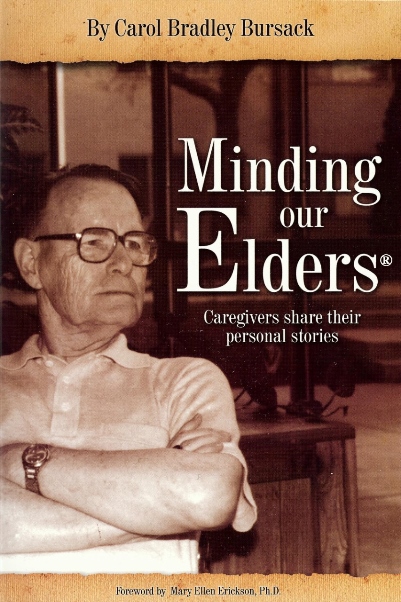
Minding Our Elders: Caregivers Share Their Personal Stories: “…This book is for all of us; let it help you cope! Thank you to the author and everyone she spoke with!” …Dolores