The Emotional Impact of Losing a Loved One to Dementia
“Carol!” The hospice nurse’s voice was quiet but urgent. I instinctively knew what was happening. She had been shifting Dad’s position so that he wouldn’t develop bed sores, but as she was laying him back on the bed, something changed in his respiration. This was it. His body was preparing for him to take his last breath.
I slid back in my spot beside Dad and took him in my arms. His head drifted to my shoulder, and that last, gentle breath slipped by unnoticed by me. What I felt was the positive force of Dad’s spirit leaving his body. And then—joy!
Did I just write joy? Yes, I did.
What I knew was this. Dad was finally released from the cage that had trapped his spirit over this last decade. The decade since his brain surgery left him with instant, severe dementia. Of course, that momentary joy was closely followed by a jumble of other emotions and, sadly, the grim realities following the physical death of my beloved father. But yes, for a moment, we were joined as one over the joy of his release.
My next thought was of Mom, in the bed next to Dad’s in the nursing home who simply couldn’t bear to watch. She had been unable to fully participate in Dad’s last hours due to her heavy pain medication, and she needed me with her. A curtain blocked Dad’s body from where I sat with Mom. I tried to physically shield her from the scene of the funeral home people arriving to put Dad’s body in a body bag, but I know she heard the final zzzzzip, as well as I— a sound that’s now part of my soul. I could only protect her from so much.
I needed to call my sister, who had left Dad’s side not a half an hour before because he seemed to have rallied, and she had a long drive to get home to her children. She’d planned to return in the morning. I needed to call my brother, who lived hundreds of miles away. I needed to tell my children. I also needed to reassure the nursing home people that I’d be back in the morning to remove Dad’s personal items from his side of the room.
There was no time to feel grief. Not yet. When I finally got to bed after a 24-hour day, I was at first numb, soon followed by emptiness, then disbelief. Dad, who had been on the verge of death for a decade, had, well, died. It had been a long journey, always knowing that he may not wake up one morning, but when his death happened, it felt like a sudden death. My head knew that this was expected, but I couldn’t absorb it. Not yet.
Gradually, of course, I did what we all do. I came to grips with the fact that my dad had died. I succumbed to heavy grief. I also felt what many feel but don’t want to admit—a sense of relief. Relief because Dad was no longer suffering. Relief because the never-ceasing worry about his condition had been lifted from my shoulders.
Naturally, being a caregiver, I felt guilt, as well. I just knew that somehow, no matter how much I did do, I didn’t do enough. Or didn’t do it right. Or didn’t make the right choices…
Continue reading on HealthCentral for more about the pain of losing someone we love to dementia:
Helpful Tools:
Wetness indicator and alert to help manage incontinence with dignity. SenecaSense Home: Discreet Support That Restores Comfort and Confidence
Stay connected with Memoryboard: Designed by caregivers. Memoryboard helps families share reminders, messages, updates, and photos on an easy-to-use screen designed for people with dementia. Peace of mind for families, independence for loved ones.
Leslie Kernisan, MD, MPH, has opened up support! View two free caregiving webinars that can help you help your older parents (and yourself).
Discover the Difference. EGOSAN: The premium incontinence brand caregivers love: They save work! Now Available on Amazon.
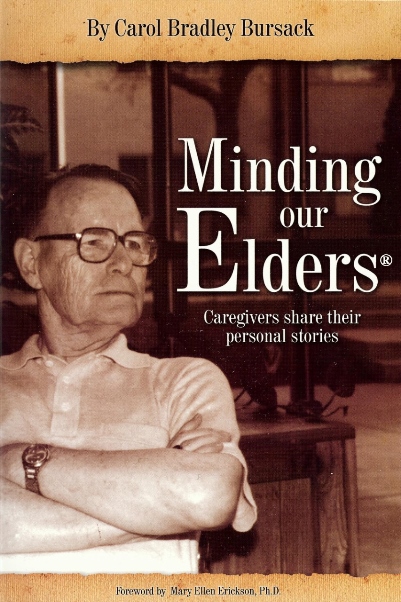
Minding Our Elders: Caregivers Share Their Personal Stories: “…This book is for all of us; let it help you cope! Thank you to the author and everyone she spoke with!” …Dolores