The Difference between Palliative Care and Hospice Explained
Many people have heard of hospice care but they mistakenly think that it’s just a way to help cancer patients be more comfortable at the end of their lives. Fewer people have heard of palliative care, and they may have no idea what it is. The truth is that hospice and palliative care are related but used for different reasons at different times, and everyone should be well-versed in what they offer. Here, we’ll clarify some points of confusion.
What is palliative care?
Palliative (pronounced pal-lee-uh-tiv) care is supportive care. It is specialized medical attention, provided by a specially trained, interdisciplinary team of medical experts to help people who have serious, often painful illnesses. The care covers management of physical and emotional pain, as well as stress relief and feelings of helplessness. The palliative care team works to provide quality of life for the patient as well as the patient’s family.
Where is palliative care provided?
Since palliative care can be offered alongside curative treatments such as chemotherapy, the services are available in a hospital setting as well as in a clinic; these services may also be provided in the home or care facility where the person lives. Smaller community hospitals may not be able to offer the services of a complete team specifically trained in palliative care, but most will do what they can to provide supportive care with the resources they have available.
Who is on the palliative care team?
A typical team would include a doctor trained in palliative care and, often, board-certified in Hospice and Palliative Medicine. Additionally, the team generally includes a palliative care nurse, a social worker, a chaplain or someone who can help with spiritual support if the patient requests it, plus a patient navigator or someone who can coordinate the process. Teams will vary, depending on the size and location of the treating facility.
When does palliative care start, and who qualifies?
Palliative care can be provided as soon as a diagnosis is made and any time throughout an illness. It’s probably best known for cancer patients, but people with chronic obstructive…
Helpful Tools:
Wetness indicator and alert to help manage incontinence with dignity. SenecaSense Home: Discreet Support That Restores Comfort and Confidence
Stay connected with Memoryboard: Designed by caregivers. Memoryboard helps families share reminders, messages, updates, and photos on an easy-to-use screen designed for people with dementia. Peace of mind for families, independence for loved ones.
Leslie Kernisan, MD, MPH, has opened up support! View two free caregiving webinars that can help you help your older parents (and yourself).
Discover the Difference. EGOSAN: The premium incontinence brand caregivers love: They save work! Now Available on Amazon.
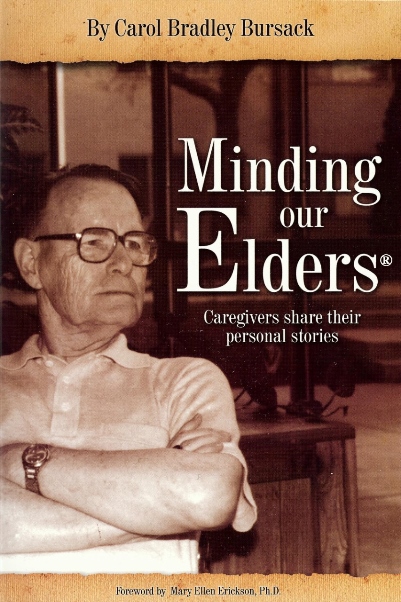
Minding Our Elders: Caregivers Share Their Personal Stories: “…This book is for all of us; let it help you cope! Thank you to the author and everyone she spoke with!” …Dolores