Hospice Care: Help During the End Stages of Life
“No one needs to die in pain.”
That is what the social worker told me as I signed the papers that would put my father on hospice care. That is the mantra of hospice providers. As a family caregiver entering the new and scary realm of end-of-life care, it became my mantra, too. I had no choice but to believe these words since my dad had already suffered so much, especially in the weeks leading up to this decision.
Each time I walked into Dad’s room in the nursing home, he would be rigid in bed, propped up on one elbow and slamming his other fist against his upturned palm. Pow! Pow! Pow! Over and over, he pounded fist against hand. I would try to get him to relax and lie back down, but he couldn’t comprehend my pleas. Pow! Pow! Pow! He was trying to knock out the pain.
Dad had resided in this nursing home since a botched brain surgery that was supposed to correct the results of a brain injury he’d sustained in World War II. He went into this surgery foggy from fluid building up behind scar tissue in his brain. While the procedure was medically successful, the unexpected result was that Dad developed “instant dementia.” He came out of the operating room needing around-the-clock skilled nursing care.
Each time I visited and saw him in such an agitated state, I would hurry from his room back out into the hall to talk with his nurse, Sarita. Had the doctor been in yet? Had he seen Dad like this? Would he please help us get Dad on hospice?
“He is in pain, Sarita. It’s obvious. Can’t the doctor give him something?” I implored.
“I know,” she’d answer solemnly. “He is in pain. We know him and can see it, but the doctor looks at his chart and says he sleeps so much that he can’t possibly be in pain.”
“But look at him!” I’d plead, choking on tears.
“I know,” she’d reassure. “I know. We’re working on it.”
We knew Dad was wearing down. He didn’t have long to live, but did he have to be in such discomfort? I wanted him under hospice care, but the doctor was adamant that he still…
Helpful Tools:
Stay connected with Memoryboard: Designed by caregivers. Memoryboard helps families share reminders, messages, updates, and photos on an easy-to-use screen designed for people with dementia. Peace of mind for families, independence for loved ones.
Leslie Kernisan, MD, MPH, has opened up support! View two free caregiving webinars that can help you help your older parents (and yourself).
Discover the Difference. EGOSAN: The premium incontinence brand caregivers love: They save work! Now Available on Amazon.
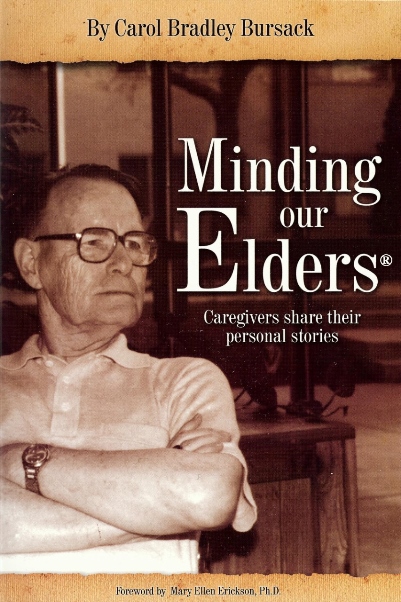
Minding Our Elders: Caregivers Share Their Personal Stories: “…This book is for all of us; let it help you cope! Thank you to the author and everyone she spoke with!” …Dolores
Wetness indicator and alert to help manage incontinence with dignity. SenecaSense Home: Discreet Support That Restores Comfort and Confidence