How to Engage in Self-Care While Grieving
Many caregivers watch their loved ones endure a long, slow decline that will eventually end in death. As they age, we grieve every mental and physical loss they incur. At the same time, we struggle with mixed emotions about how their passing will bring an end to their discomfort and indignities. Some struggle greatly with both dread and anticipation when it comes to thoughts of a loved one’s death.
The whole process is nearly too much to bear. Rather than facing the complexities of our anticipatory grief, far too many of us stuff our emotions deep down in an attempt to simply get on with life. This approach may enable us to get through our day-to-day responsibilities, but it isn’t a healthy or sustainable way of coping with these difficult yet very normal feelings.
Healthier Ways to Handle Grief
No matter how hard we try to suppress them, challenging emotions like sadness, fear, anger, confusion, shock, loneliness, guilt and regret always manage to surface in one way or another. Grief is a mentally exhausting process that can cloud our judgement, impair our ability to focus and leave us feeling scattered, but these feelings can affect our physical health as well. This is why self-care is crucial for caregivers, especially those who are experiencing anticipatory grief or have recently suffered a loss.
Prioritize Your Physical Health
It can be very easy to neglect your physical needs while grieving. As difficult as it may seem, making every effort to get adequate sleep, eat nutritionally balanced meals, and fit in regular exercise and intentional relaxation can do wonders.
“Sleep is one of the best medical ‘treatments’ available, especially for grief and shock,” says Margo Rose, a fitness trainer with more than 15 years of experience who specializes in practical ways of managing loss, stress and disappointment. Rose is the author of Body Aware Grieving: A Fitness Trainer’s Guide to Caring for Your Health During Sad Times.
“It is very common for people to want to sleep much more than they are used to while going through an upsetting time. This natural tendency is generally worth giving in to without feeling guilty,” Rose explains. “However, another typical response to stress can be the exact opposite: difficulty falling and staying asleep. Being sleep deprived can impair all our senses, especially the abilities to think clearly and stabilize our moods.”
When we are well-rested, we are better prepared to handle both emotionally and physically demanding situations. Unfortunately, quality sleep is often in short supply for family caregivers who keep unusual hours to ensure seniors’ needs are met. These sleep habits tend to persist even after a loved one’s passing, and it often takes some time to establish a…
Stay connected with Memoryboard: Designed by caregivers. Memoryboard helps families share reminders, messages, updates, and photos on an easy-to-use screen designed for people with dementia. Peace of mind for families, independence for loved ones.
Leslie Kernisan, MD, MPH, is offering two free caregiver training webinars to people who notice that their aging parents need some help now or will in the future. Sign up now to receive the free newsletter from Better Health While Aging and, if you choose, view two great caregiving webinars that can help you help your older parents (and yourself). Or you can go directly to the trainings page.
Discover the Difference. EGOSAN: The premium incontinence brand caregivers love – Now Available on Amazon.
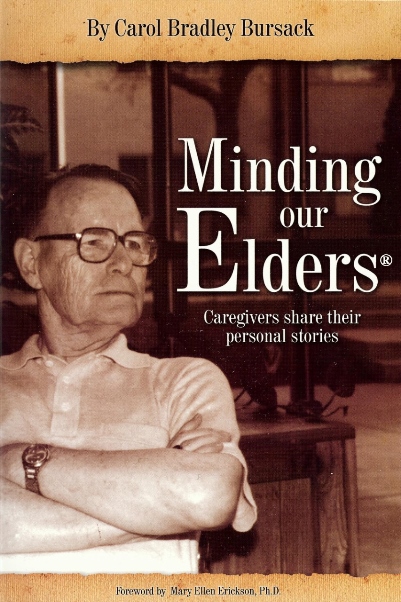
Minding Our Elders: Caregivers Share Their Personal Stories: “…This book is for all of us; let it help you cope! Thank you to the author and everyone she spoke with!” …Dolores