Dementia Can Open the Door to Artistic Expression
The treatment of people with dementia has changed dramatically since I first became personally involved with the disease. It’s now widely recognized that while cognitive abilities change with dementia, there is still an individual residing in this damaged body.
Those in the arts, especially, have seen that concentrating on what people can do, rather than what they can’t do, is vital for quality of life. As this attitude spreads, we’re seeing that people with dementia often show talents that we never knew existed.
A devastating introduction to dementia
My dad’s brain was irreparably damaged by a failed brain surgery that sent him into instant dementia. At the time, reorientation was the accepted way to help people with Alzheimer’s and other types of dementia.
Reorientation is a method of forcing the person to come back into the “real” world. Because I was a newcomer in dementia care, I didn’t know about the so-called “correct” method of reorientation. I did what came naturally for me and joined Dad in his altered world. That world included music and other creative aspects of life, as well as validating real and perceived experiences in the educational and scientific areas that interested him.
Fortunately, the practice of reorientation has died out and validation therapy has become recognized as the most humane and productive way to manage dementia.
Validation therapy often includes encouraging artistic adventures. Slowly, what art and music therapists have known all along is being recognized: people with Alzheimer’s and other dementias still have talents. They still have dreams. Frequently, these latent talents come to the surface after other areas of their brains have become too diseased to function correctly.
Organizations and foundations now focusing on the arts as therapy
Art, music and theater help promote human dignity and improve quality of life. Having witnessed the success of small programs using this type of therapy, dedicated people have set up organizations and foundations to promote this approach to Alzheimer’s care more widely.
Lester E. Potts, Jr., a rural Alabama saw miller, became an acclaimed watercolor artist after his diagnosis of Alzheimer’s disease, despite the fact that he had never previously shown any artistic talent. As he participated in the expressive arts programs at Caring Days, a dementia daycare center in Tuscaloosa, Alabama, Lester’s cognition, mood, and behavior improved.
Lester’s son, neurologist Daniel C. Potts, has since created Cognitive Dynamics, a foundation…
Continue reading on Agingcare for more about how dementia can unlock artistic talent for some:
Stay connected with Memoryboard: Designed by caregivers. Memoryboard helps families share reminders, messages, updates, and photos on an easy-to-use screen designed for people with dementia. Peace of mind for families, independence for loved ones.
Leslie Kernisan, MD, MPH, is offering two free caregiver training webinars to people who notice that their aging parents need some help now or will in the future. Sign up now to receive the free newsletter from Better Health While Aging and, if you choose, view two great caregiving webinars that can help you help your older parents (and yourself). Or you can go directly to the trainings page.
Discover the Difference. EGOSAN: The premium incontinence brand caregivers love – Now Available on Amazon.
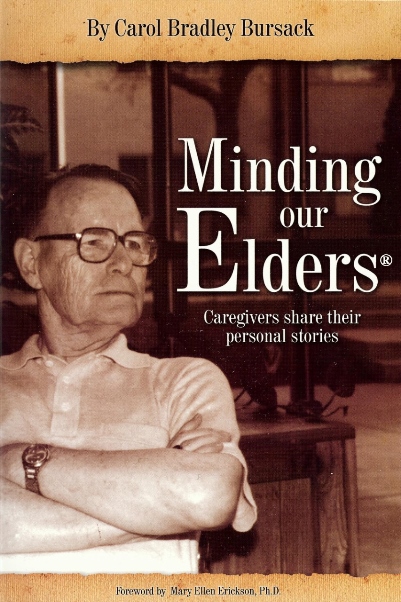
Minding Our Elders: Caregivers Share Their Personal Stories: “…This book is for all of us; let it help you cope! Thank you to the author and everyone she spoke with!” …Dolores