Dementia and Inappropriate Behavior: How to Respond
Dementia can cause people to say and do some pretty odd things. Family caregivers may be caught off guard at first, but as they learn about their loved one’s condition, it should become easier to adapt to these new quirks. However, people who aren’t providing care for someone with dementia typically aren’t familiar with the unusual symptoms that can develop. When elders living with cognitive decline (and their caregivers) venture out to shop, attend doctor’s appointments, socialize, and live their lives, embarrassing and sometimes inappropriate scenarios may ensue.
A caregiver’s experience
Whether your loved one has had dementia for years or you’re on the lookout for early signs of dementia, inappropriate behavior should be on your radar. Handling dementia-related behavior changes while out in public can be a harrowing experience at times. I can recall one instance when I was sitting with my neighbor, Joe, at the local clinic, waiting for some medical tests he required. Joe saw a man pulling an oxygen tank behind him and excitedly yelled, “Look! He’s got a golf cart!”
While an outsider would have been confused by his exclamation, it made sense enough to me. Joe had loved playing golf as a younger man, his sight was poor, and his word-finding abilities had declined over the years. He “saw” and announced what he knew: a golf cart. The man walking by was embarrassed. I simply smiled at him and redirected Joe, asking him to tell me his best golfing stories.
This incident was a little awkward, but it wasn’t nearly as mortifying as some of the others I’ve witnessed. Several of my loved ones developed various types of dementia as they aged, and I visited them daily in many different settings over many years. Caring for all these people presented me with a valuable window into dementia behaviors, some of which I’d have trouble describing in a polite manner.
Dementia caregivers may find themselves in one or all of the following common scenarios at some point. Anticipating these uncomfortable moments and knowing how to handle them before they happen is your best chance for quickly and gracefully defusing them…
Helpful Tools:
Discover the Difference. EGOSAN: The premium incontinence brand caregivers love: They save work! Now Available on Amazon.
Stay connected with Memoryboard: Designed by caregivers. Memoryboard helps families share reminders, messages, updates, and photos on an easy-to-use screen designed for people with dementia. Peace of mind for families, independence for loved ones.
Leslie Kernisan, MD, MPH, has opened up support! View two free caregiving webinars that can help you help your older parents (and yourself).
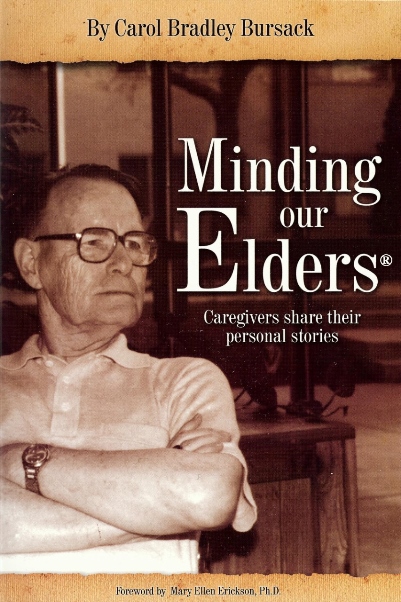
Minding Our Elders: Caregivers Share Their Personal Stories: “…This book is for all of us; let it help you cope! Thank you to the author and everyone she spoke with!” …Dolores