A Caregiver’s Struggle: Balancing an Elder’s Sense of Purpose with Their Safety
As caregivers, we walk a thin line between keeping our loved ones safe and helping to preserve their independence. One of my first experiences with this concept occurred with my elderly neighbor and first care recipient. Joe was in his 80s and lived in his own home. He was totally deaf, so to communicate with each other, he would speak, and I would write on a large legal pad.
One day, I hurried into his house at my typical visiting time and immediately sensed that something was off. Joe would usually sit at his kitchen table waiting for me to arrive, but this time, there was no sign of him. I feared the worst and ran down the basement steps since he’d fallen there before. Fortunately, he wasn’t there. I headed back upstairs, where I heard a rustling noise coming from his bedroom. Joe, whose gait was wobbly at best on a flat surface, was perched halfway up a metal ladder. He was using needle-nose pliers to jab into a light fixture in his closet ceiling. There was no bulb in the fixture and the electricity was still on. Joe saw me and gleefully screeched, “Hold the ladder, honey! I’ll be down in a minute.”
I frantically grabbed my legal pad and wrote “GET DOWN!” in big letters. He just chuckled. This scene ended with me turning off the fuses in the fuse box, so he wouldn’t electrocute himself. He eventually tottered down off the ladder, and we shared some laughter. Joe couldn’t understand why I was upset. He was simply trying to fix the light, and it was his house after all.
The issue at hand is that we want to keep our aging loved ones safe, but we also want them to be able to do for themselves as much as possible. So, at what point does the risk warrant our interference and demands that a loved one stop doing something they’ve always done? And, if something is dangerous enough, how do we get our elders to stop doing “handyman” tasks, difficult yard work, extensive cleaning, or monumental cooking projects?
Everyone needs a reason to get out of bed in the morning. If a person has no purpose in life, then why go on living? For elders whose bodies (and sometimes minds) seem to betray them more each day, this becomes a very contentious issue.
Some aspects of this dilemma are more black and white than others. For example, if Mom’s eyesight is seriously compromised and she can’t drive without placing herself and others at considerable risk, it’s imperative to stop her from getting behind the wheel. (This is one of a caregiver’s most daunting tasks.) But, if Dad just wants to play handyman, which has been his greatest pastime and purpose since he retired, when do we have the right and/or responsibility to step in and say, “You’ve got to stop that because you may get hurt.” Do we even have that right?
Weighing Risks and Benefits Is Highly Individual
It’s very easy to become overprotective of our elders. We don’t want them to fall, get injured while trying to fix something, or cut or burn themselves while trying to cook. But, where does their pleasure and their sense of self-worth factor into our desire to protect…
Helpful Tools:
Stay connected with Memoryboard: Designed by caregivers. Memoryboard helps families share reminders, messages, updates, and photos on an easy-to-use screen designed for people with dementia. Peace of mind for families, independence for loved ones.
Wetness indicator and alert to help manage incontinence with dignity. SenecaSense Home: Discreet Support That Restores Comfort and Confidence
Leslie Kernisan, MD, MPH, has opened up support! View two free caregiving webinars that can help you help your older parents (and yourself).
Discover the Difference. EGOSAN: The premium incontinence brand caregivers love: They save work! Now Available on Amazon.
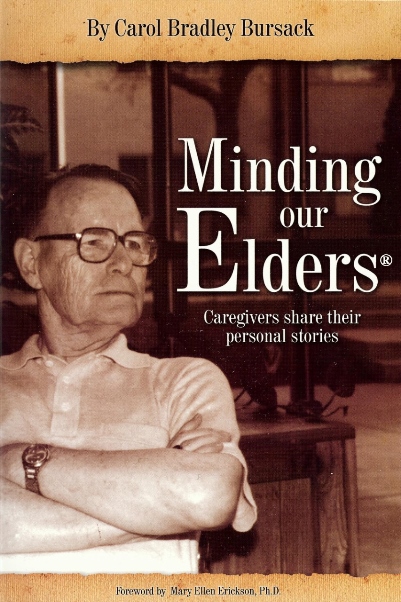
Minding Our Elders: Caregivers Share Their Personal Stories: “…This book is for all of us; let it help you cope! Thank you to the author and everyone she spoke with!” …Dolores