Should I Have to Take Care of My Elderly In-Laws?
Being a family caregiver doesn’t always stop at caring for our own aging parents. Our significant other’s mom and dad often look to us for care, too, especially if we already have a bit of experience under our belt. Some of us take on this responsibility without hesitation. Our in-laws are our spouse’s parents and our children’s grandparents. Often, we love them, or at least like them. In more difficult cases, relationships with in-laws never really blossomed or have been downright impossible to cultivate.
Regardless of how you feel about your mother-in-law and father-in-law, taking on the care of another person (or even two people) is a serious challenge. Furthermore, when your care recipient is a person who is merely a relative by marriage, how much say do you truly have in their care decisions compared to blood relatives like your significant other and their siblings (if any)? Is it our responsibility to care for our aging in-laws, no matter how we feel about them? What happens if you are divorced or widowed? What is your obligation then?
Caregiving coach Cindy Laverty provided care for her former in-laws long after she and her husband had divorced:
“As odd as it might sound, I cared for my ex-husband’s parents for six years—15 years after our divorce!” she explains. “I had a good relationship mostly with my former father-in-law because he was a wonderful grandfather to my daughter. It was a journey that I was wholly unprepared for, but I learned more about myself during those six years than I ever could have imagined.”
Perhaps Laverty’s decision is considered highly unusual, but many people provide care for their spouse’s parents. Deciding whether to sign on to care for your own in-laws is a highly personal matter that must include a variety of factors that are unique to your own lifestyle and family dynamic.
Women Bear the Brunt of Caregiving
Most of the questions I receive about caring for in-laws come from women. Of course, if a woman has a solid marriage and a tight-knit family, then banding together and caring for her in-laws would be natural, at least to a point. But where are the men in these scenarios…
Helpful Tools:
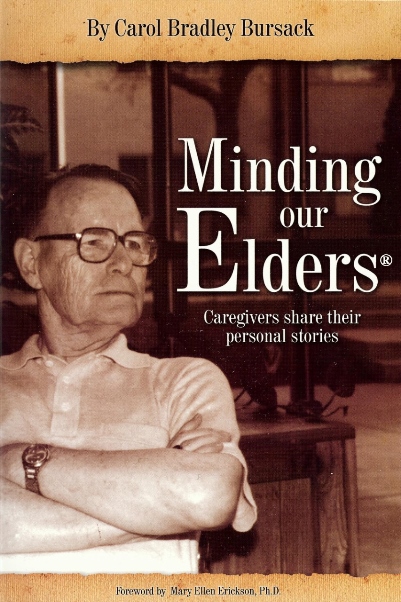
Minding Our Elders: Caregivers Share Their Personal Stories.“I hold onto your book as a life preserver and am reading it slowly on purpose…I don’t want it to end.” …Craig William Dayton, Film Composer
Stay connected with Memoryboard: Designed by caregivers. Memoryboard helps families share reminders, messages, updates, and photos on an easy-to-use screen designed for people with dementia. Peace of mind for families, independence for loved ones.
Wetness indicator and alert to help manage incontinence with dignity. SenecaSense Home: Discreet Support That Restores Comfort and Confidence
Leslie Kernisan, MD, MPH, has opened up support! View two free caregiving webinars that can help you help your older parents (and yourself).
Discover the Difference. EGOSAN: The premium incontinence brand caregivers love: They save work! Now Available on Amazon.