When Loved Ones Rally Before Death
Family members are often relieved and hopeful when a dying loved one suddenly becomes more aware of their surroundings or begins talking or eating again. But are they truly getting better or just consciously preparing for their final journey?
When a person is dying, it is customary for close family members to remain at their bedside, sometimes for days. This time together is precious, allowing loved ones to share final moments, work through accepting the loss, and process what this absence will mean in their lives.
End-of-life journeys are complex. Most people expect or imagine a progressive decline that often ends with a lapse into a coma (a deep state of unconsciousness) shortly before passing away. But in some cases, a loved one’s decline may seem to stop suddenly and inexplicably.
What Is an End-of-Life Rally?
When a person facing the end of life “rallies,” they become more stable and may want to talk or even begin eating and drinking again. Some people describe this phenomenon as a sudden burst of energy before death. This period of perking up can be accompanied by such a notable change in mental clarity that hospice professionals have coined the phrase “terminal lucidity” to describe it. This change in cognition and behavior goes against everything families learn about the physical signs that the end of life is near. We grasp at what seems to be a turnaround in our loved one’s health and sigh with relief. It appears as if they are going to hang on for a while, right?
Sadly, rallying is usually a hallmark pre-death sign. I have known many family caregivers, hospice aides, nurses, and doctors who have seen their patients show “improvement” before death. Some patients want to talk, while some become restless and act as if they need to start preparing for a trip. Others will simply become more relaxed yet remain tuned in to what is going on around them. Still others will show signs of physical stability when, seconds before, they seemed on the verge of letting go. A rally can last for a few moments or even days. Short or long, these temporary “improvements” can have a profound effect on loved ones who are keeping vigil.
Terminal Lucidity Can Be Confusing for Families
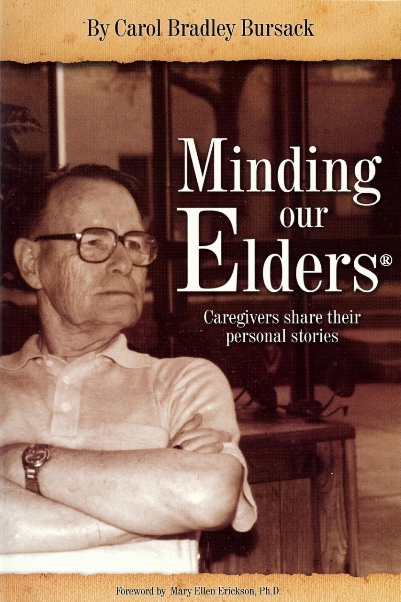
One story I recall was shared with me while I was interviewing people for my book, Minding Our Elders: Caregivers Share Their Personal Stories. A woman’s whole family had gathered by her dying father’s bedside. Some of them had already been there for days, while others had only arrived a few hours earlier, but the entire family was finally together. Her father had been withdrawing into himself, and they knew that his time to leave would soon come. But…
Continue reading on Agingcare for more about the death rally:
Perfect Holiday gifts!
Stay connected with Memoryboard: Designed by caregivers. Memoryboard helps families share reminders, messages, updates, and photos on an easy-to-use screen designed for people with dementia. Peace of mind for families, independence for loved ones.
SenecaSense Home: Discreet Support That Restores Comfort and Confidence. Wetness indicator and alert to help manage incontinence with dignity.
Minding Our Elders: Caregivers Share Their Personal Stories. “I hold onto your book as a life preserver and am reading it slowly on purpose…I don’t want it to end.” …Craig William Dayton, Film Composer
Leslie Kernisan, MD, MPH, has opened up support! View two free caregiving webinars that can help you help your older parents (and yourself).