Convincing Older Adults There’s Something to Smile About
Despite increasing awareness of and sensitivity to ageism in our society, age-related stereotypes about stubborn, grumpy seniors persist. Chronic health conditions, changes in functioning, and the loss of loved ones pose physical and emotional challenges that can bring even the most cheerful elders down from time to time, but depression and irritability are not normal parts of aging. In fact, research shows that perceptions of life and overall happiness actually tend to improve with age.
The roller-coaster of life is full of ups and downs at all ages. During these fleeting low points, it is natural for family members and caregivers to want to lift an elder’s spirits in an attempt to help them feel better and improve relationship dynamics. Sometimes you’ll succeed, and sometimes you’ll fail, but it never hurts to try.
Before offering some suggestions, I encourage you to be sensitive to signs of anxiety, physical pain, and fear. There are many potential sources of a senior’s bad mood, and addressing these underlying causes will ensure your efforts are more successful. Just keep in mind that you want to help a senior truly perk up, not pressure them to feign happiness for your sake.
How to Cheer Up Elderly Loved Ones
Listen and Learn:
There is no denying that we live in an ageist society. Instead of valuing the hard-won wisdom of our elders, we tend to focus on their weaknesses. Older adults can’t escape these stereotypes because they permeate everything from television ads to strangers’ glances on the street. These negative attitudes toward aging make it easy for older adults to feel they are invisible or have become a burden.
Often, the most important thing we can do to cheer people up is simply listen to them. Asking pertinent questions helps, too. If you can say, “Tell me what Uncle Jimmy was like when you two were small,” you could encourage a wonderful story. You may eventually find that you enjoy tales of past decades and what life was like before, during, and after major historical events.
You can even ask to record these conversations and preserve family memories for generations to come. Let your elders know their life has had—and still has—meaning.
Go Through Photos and Mementos Together:
My uncle always enjoyed playing little jokes on people, especially kids. I had kept a few of the gag gifts he and my aunt had given to my sons when they were growing…
Helpful Tools:
Stay connected with Memoryboard: Designed by caregivers. Memoryboard helps families share reminders, messages, updates, and photos on an easy-to-use screen designed for people with dementia. Peace of mind for families, independence for loved ones.
Leslie Kernisan, MD, MPH, has opened up support! View two free caregiving webinars that can help you help your older parents (and yourself).
Discover the Difference. EGOSAN: The premium incontinence brand caregivers love: They save work! Now Available on Amazon.
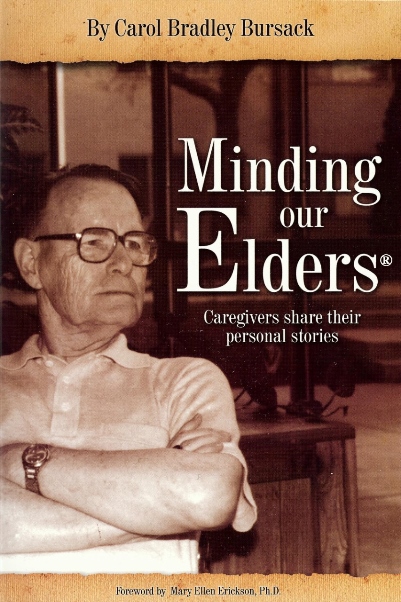
Minding Our Elders: Caregivers Share Their Personal Stories: “…This book is for all of us; let it help you cope! Thank you to the author and everyone she spoke with!” …Dolores