Why an Older Adult Might Refuse to Bathe or Change Their Clothes
When it comes to caring for the elderly, hygiene issues are surprisingly common. Determining why their bathing habits have changed is the best way to devise a successful strategy for getting a senior to shower regularly and wear clean clothes. There are many possible culprits, and several factors often combine to form a perfectly unhygienic storm.
At best, poor hygiene can result in minor body odor and an unkempt appearance. However, extreme changes in bathing habits can border on self-neglect, affect a senior’s social life (and quality of life by extension), and even jeopardize their health. Frustrated family caregivers often struggle to convince aging loved ones to bathe more often. The solution seems simple, but there is often much more to this issue than meets the eye.
Why Do Some Older Adults Not Want to Bathe?
Depression: If a loved one who used to wear makeup, bathe regularly, or insist on crisply pressed clothes suddenly stops taking care of themselves, it’s wise to rule out depression first. A simple checkup with a doctor is a good idea, especially if low energy or lack of interest seems to be part of this change in behavior. Depression isn’t always obvious to an observer, so keep an eye out for the warning signs.
Respect and Control: As people age, they often feel as if they’re losing control over their lives. One thing that seniors tend to keep a tight grip on for as long as possible is their own personal hygiene. Caregivers and family members can nag all they want, but the more you pester them about something, the more they tend to resist. They may react with a remark like, “This younger generation is trying to take over everything. Well, they aren’t telling me when to shower, that’s for sure!”
Dulling Senses: Your nose may easily pick up on the odors of urine, old sweat, and feces, but elders may not even notice these stomach-turning scents. They are especially “nose blind” to their own smell and that of their home. This is because their senses are not as keen as they once were. With the aging process comes a weakening of the senses, especially one’s sense of smell. Many seniors begin showering and changing less frequently because it is harder for them to notice the tell-tale scent of body odor or see stains on their clothing that indicate it’s time for a wash-up and a load of laundry.
Boredom: Sadly, many seniors’ days aren’t marked with tons of activities like when they were younger. If there isn’t something special about Wednesday, well, it might as well be Tuesday or Thursday. It can be easy to simply lose track of time and not realize how long it’s been since they last showered. (This can be compounded by actual memory loss, but more about that in a moment.) Furthermore, if guests are coming over or an outing planned, then what’s the point of exerting the energy to get all gussied up and just sit around the house?
Fear and Discomfort: The bathroom can be a scary place for many older adults. After all, it is entirely composed of slick, hard, and often monochromatic surfaces—the perfect setting for a fall. Taking a shower or a bath was once a regular part of their routine that they didn’t think twice about. Now, this basic act carries significant risks. The possibility of a bruised ego, a broken hip, or even a…
Continue reading on Agingcare for more about the challenge of elder hygiene with older adults:
Helpful Tools:
Stay connected with Memoryboard: Designed by caregivers. Memoryboard helps families share reminders, messages, updates, and photos on an easy-to-use screen designed for people with dementia. Peace of mind for families, independence for loved ones.
Wetness indicator and alert to help manage incontinence with dignity. SenecaSense Home: Discreet Support That Restores Comfort and Confidence
Leslie Kernisan, MD, MPH, has opened up support! View two free caregiving webinars that can help you help your older parents (and yourself).
Discover the Difference. EGOSAN: The premium incontinence brand caregivers love: They save work! Now Available on Amazon.
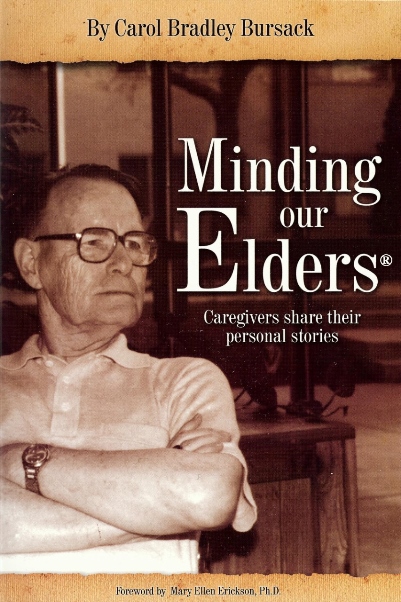
Minding Our Elders: Caregivers Share Their Personal Stories: “…This book is for all of us; let it help you cope! Thank you to the author and everyone she spoke with!” …Dolores