A Story from the Sandwich Generation: Caring for Kids and Parents
Watching out for elders has always come naturally for me. I grew up close to my grandparents, and during my teenage years, my paternal grandmother lived with us. We even built a new house to accommodate her stay.
When my elderly neighbor, Joe, was widowed, I did what most neighbors would do. I didn’t know him or his wife well, but I knew he was completely deaf and that he was probably lonely. I started to visit, thinking I could help him if he needed groceries or something. What began as a neighborly check-in continued into a kind of adoption of Joe, by myself and my two sons, ages six and eight. For five years, the kids and I were Joe’s family.
Shortly after Joe passed, my aunt and uncle moved from Virginia to North Dakota to be near us, their only family. Then my parents and in-laws began having health troubles. In all, I cared for seven elders over the span of two decades. During that time, I was also busy raising two kids, one of whom had multiple health problems. To the best of my knowledge, there was never a word at the time to describe what I was doing. I was just following my instincts while elders fell like dominoes into my care.
Caregiving Is a Job
During the last few years of my caregiving, while my mother-in-law and my parents were still alive, my son was still having major health issues, and I was working full time, I read about the term “sandwich generation.” I remember thinking it was a clever concept, but it still didn’t occur to me that I was a member of this group. I was merely a caregiver and a mom.
Maybe I didn’t have the time or the will to reflect on my own situation. That is the case with many caregivers. In fact, when I give presentations to groups of caregivers and professionals, I always stress self-identification. Caregiving is a job. When you have more than one generation to care for, it’s like working overtime or taking on a second job. Yes, sandwich generation is a very apt term. I was just an early practitioner and a slow learner when it came to recognizing what all I actually had on my plate.
Balancing Everyone’s Needs
The challenges of being a member of the sandwich generation are many, but there is one universal issue that I ran into and continue to hear about as I converse with my readers and speak to groups: carefully weighing all of your loved ones’ needs.
One day years ago, my son was coming out of a severe asthma attack and resting in his room when my mother’s medical alert system went off. The dispatcher called to have me go to her apartment to check on her, and I was immediately faced with a difficult decision. “Can I leave…
Perfect Christmas gifts!
Stay connected with Memoryboard: Designed by caregivers. Memoryboard helps families share reminders, messages, updates, and photos on an easy-to-use screen designed for people with dementia. Peace of mind for families, independence for loved ones.
Leslie Kernisan, MD, MPH, is offering two free caregiver training webinars to people who notice that their aging parents need some help now or will in the future. Sign up now to receive the free newsletter from Better Health While Aging and, if you choose, view two great caregiving webinars that can help you help your older parents (and yourself). Or you can go directly to the trainings page.
Discover the Difference. EGOSAN: The premium incontinence brand caregivers love: They save work! Now Available on Amazon.
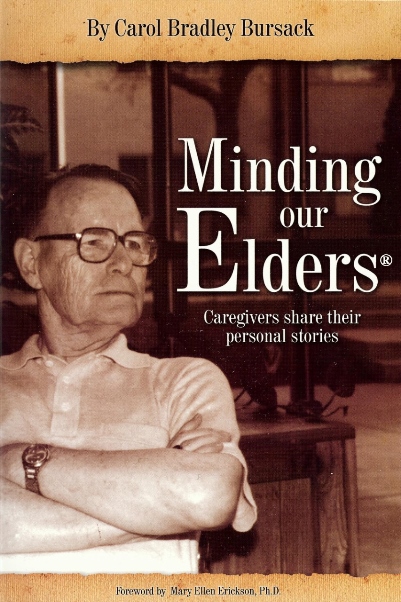
Minding Our Elders: Caregivers Share Their Personal Stories: “…This book is for all of us; let it help you cope! Thank you to the author and everyone she spoke with!” …Dolores