Caregiver Guilt: How to Stop Feeling Guilty About Elderly Parents
Why Do Elderly Parents Make Us Feel Guilty?
Get used to it—the guilt, I mean. The incessant phone call thing was just one of the many games I had to play as a dementia caregiver. When my mother would ring the first time, I’d answer, chat, and see how she was doing. The second time, I’d gently try to let her know that she had just called. The third time, well, sometimes it just seemed better for me to ignore it. I knew she would be embarrassed (or think I was lying, depending on the day) if I told her she’d called me three times in the last 15 minutes. It seemed kinder to just not answer the phone and let her forget that she called.
It is so hard to see our parents get older. As they become more physically and/or cognitively challenged, it’s only natural to wish we could take away their struggles. We can offer love and support. We can do our best to anticipate and meet their needs. But we can’t take away the discomfort and indignities that come with aging. Family caregivers tend to be empathetic individuals, so seeing those we love decline pains us deeply. We feel we should do something—anything—to help, but our powerlessness results in unearned guilt.
Guilt does serve a purpose in life. If we are mean, then we should feel guilty. If we owe someone an apology, then we should be mature enough to extend one. But guilt is a complicated emotion. As family caregivers, we take on the expectations of our culture, our religion, our family. And then we take on the expectations of our toughest critic: ourselves. Negative thinking can easily become a damaging habit for stressed caregivers. Many of us wind up emotionally overwhelmed and feeling that we’re not doing this caregiving thing well enough. If we were “good” people, we’d just keep answering the phone endlessly until Mom found something else to do.
Much of this guilt is self-imposed, but there are instances where care recipients use their caregivers’ compassion to their advantage. Elderly parents are especially notorious for sending their adult children on guilt trips to get what they want when and how they want it. Although it comes from external sources, this is still a type of undeserved guilt that must be overcome. It, too, can run family caregivers down, contributing to feelings of anxiety, depression, and burnout. In these cases, setting boundaries is crucial for a caregiver’s well…
Perfect Christmas gifts!
Stay connected with Memoryboard: Designed by caregivers. Memoryboard helps families share reminders, messages, updates, and photos on an easy-to-use screen designed for people with dementia. Peace of mind for families, independence for loved ones.
Leslie Kernisan, MD, MPH, is offering two free caregiver training webinars to people who notice that their aging parents need some help now or will in the future. Sign up now to receive the free newsletter from Better Health While Aging and, if you choose, view two great caregiving webinars that can help you help your older parents (and yourself). Or you can go directly to the trainings page.
Discover the Difference. EGOSAN: The premium incontinence brand caregivers love: They save work! Now Available on Amazon.
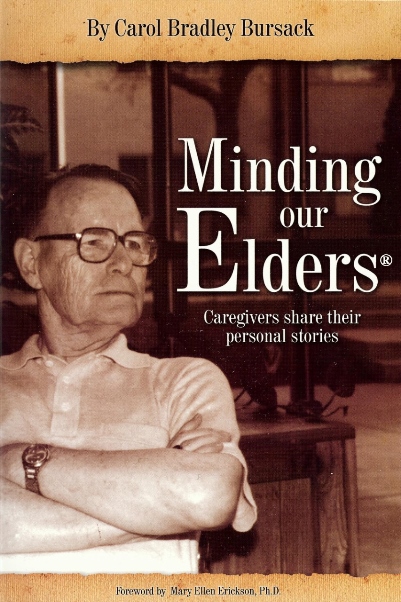
Minding Our Elders: Caregivers Share Their Personal Stories: “…This book is for all of us; let it help you cope! Thank you to the author and everyone she spoke with!” …Dolores