Should You Convince Your Aging Parents to Move Closer to You?
As a columnist for a newspaper on the High Plains, I often have readers write me that they are begging their parents to “come back home.” Upon retirement, many seniors like to leave the cold winters behind because warmer climates tend to be much easier on aging bodies. They either relocate permanently or summer up north and then head south for the snowy months.
But aging parents aren’t the only family members on the move. These days, adult children are less likely to stay put in their hometowns. Instead, they follow educational opportunities, jobs and significant others across the country and even around the world. With families so scattered, one important question remains: What happens when Mom and Dad need care?
The entire family finds itself in a quandary. Regardless of whether the parents have been living in the same town for 50 years or they relocated within the last decade, it’s safe to say that they have put down roots in this place. They have formed close relationships with their neighbors and doctors. Many seniors join local organizations and enjoy participating in community events. This is their home. They may travel to visit their kids and grandkids, but most older individuals are anxious to get back to the comfort of wherever they call home.
The Challenges of Long-Distance Caregiving
Distance becomes increasingly problematic as parents age and begin experiencing more difficulty with day-to-day tasks. Adult children try their best to keep tabs on things from afar, but they must travel to their parents to keep an eye out for signs they need help, and to handle serious matters, such as hospitalizations and other emergencies. Even one last-minute trip can cause issues with work, childcare, pets and other responsibilities. When a parent begins needing regular assistance, there is only so much that can be done from across the state or across the country.
By definition, a long-distance caregiver is someone who lives an hour or more from their care recipient, but research shows that the average long-distance caregiver actually lives 450 miles and approximately 7 hours away. Nearly half (47 percent) of long-distance caregivers are likely to report high emotional stress compared to caregivers who live with their care…
Helpful Tools:
Stay connected with Memoryboard: Designed by caregivers. Memoryboard helps families share reminders, messages, updates, and photos on an easy-to-use screen designed for people with dementia. Peace of mind for families, independence for loved ones.
Leslie Kernisan, MD, MPH, has opened up support! View two free caregiving webinars that can help you help your older parents (and yourself).
Discover the Difference. EGOSAN: The premium incontinence brand caregivers love: They save work! Now Available on Amazon.
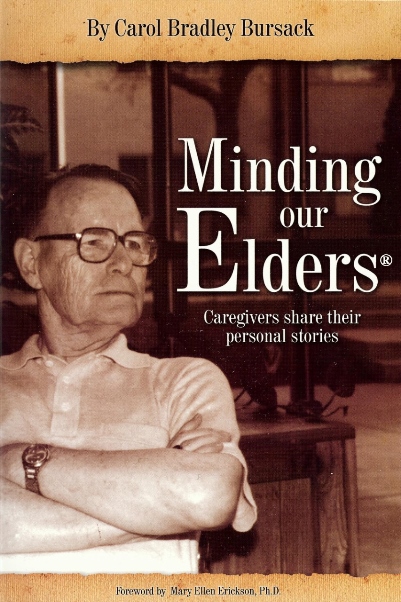
Minding Our Elders: Caregivers Share Their Personal Stories: “…This book is for all of us; let it help you cope! Thank you to the author and everyone she spoke with!” …Dolores
Wetness indicator and alert to help manage incontinence with dignity. SenecaSense Home: Discreet Support That Restores Comfort and Confidence