How Do We Plan When Elder Care Needs Can Change in an Instant?
During the years I cared for multiple elders, I grew to dread the ringing of the telephone. It seemed most calls meant emergencies. One example? My neighbor, Joe, for whom I was the primary caregiver, wore a personal alarm so that he could push a button to notify a dispatch center if he had an emergency. The dispatch center would call him back. If he didn’t answer his phone, they’d call me.
The moment is frozen in time for me when, just hours after I left his house, my phone rang. It was the dispatch center telling me that Joe had punched the help button and wasn’t answering his phone. I immediately ran across the yard and pushed through the door. Joe was lying on the floor, with one leg at an unnatural angle. In agony, he just said “help me.” Joe had broken his hip. I called 9-1-1 and we rode in the ambulance to the hospital. A few days later, Joe was moved to a nursing home, but he died within weeks.
My mother also wore a personal alarm, and I received frequent calls from the dispatch center to check on her. It was a short drive to her apartment, but always an anxiety laden drive for me. What would I find? Mom fell often, and that meant frequent trips to the emergency room. Eventually, because of the falls and other medical issues, she needed nursing home care, so we moved her to a nearby facility.
For my dad, the life-changing situation was brain surgery gone seriously wrong, which for him, also meant a move to the nursing home. For my uncle, it was a massive stroke.
On duty 24/7
One of the most exhausting parts of being a caregiver, from my point of view, is that there’s always the threat of an emergency that we are responsible to handle. We are literally on call 24 hours a day, seven days a week, even if our elders don’t live in our own household.
Of course, anyone can have a life-changing emergency. A spouse can be in a car accident. A child can be injured playing a sport. However, when we are caregivers to vulnerable people who are completely dependent upon us, and who likely have health problems to begin with, we are much more apt to face an emergency that can change current plans for anything from…
Helpful Tools:
Wetness indicator and alert to help manage incontinence with dignity. SenecaSense Home: Discreet Support That Restores Comfort and Confidence
Discover the Difference. EGOSAN: The premium incontinence brand caregivers love: They save work! Now Available on Amazon.
Stay connected with Memoryboard: Designed by caregivers. Memoryboard helps families share reminders, messages, updates, and photos on an easy-to-use screen designed for people with dementia. Peace of mind for families, independence for loved ones.
Leslie Kernisan, MD, MPH, has opened up support! View two free caregiving webinars that can help you help your older parents (and yourself).
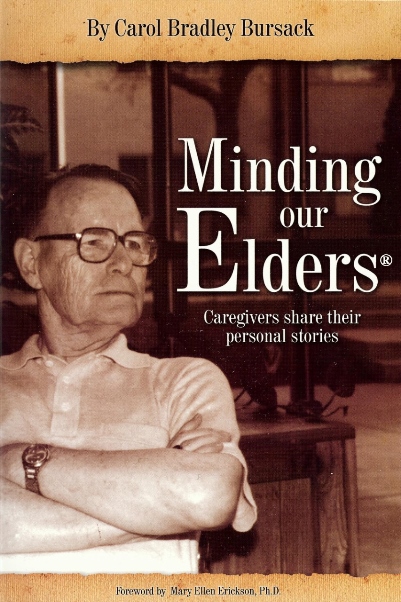
Minding Our Elders: Caregivers Share Their Personal Stories: “…This book is for all of us; let it help you cope! Thank you to the author and everyone she spoke with!” …Dolores